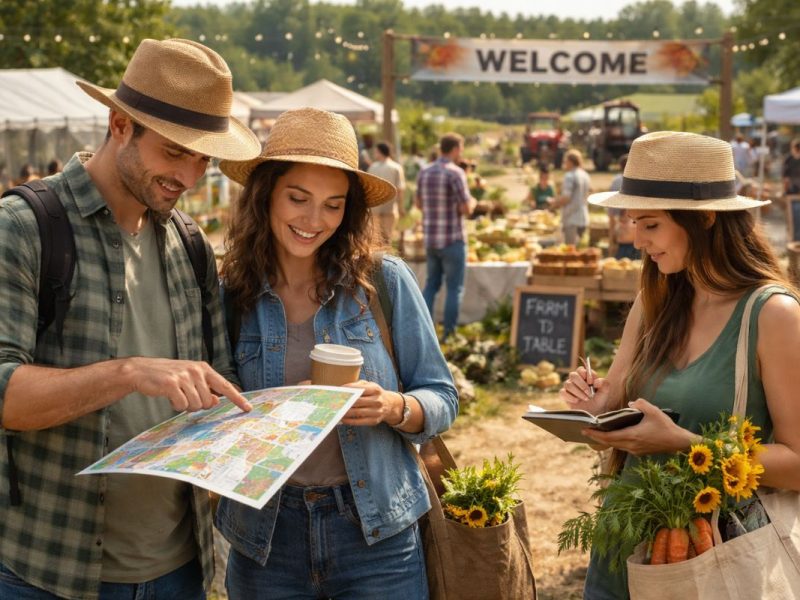
How to Plan Your Days at a Multi Day Food and Farming Expo

A food and farming expo is exciting the moment you walk through the gates. The air smells like fresh bread, soil, coffee, and ideas. There are people everywhere. Growers, chefs, students, families, researchers, and producers all sharing space. Over several days, that energy can lift you up or wear you down. How you plan your days decides which one happens.
This guide is written for people, not schedules. It is about pacing yourself across a multi day food and farming expo so learning feels enjoyable, conversations feel natural, and your body keeps up with your curiosity. With light planning, flexible blocks, and simple time awareness tools, you can experience more without rushing or burning out.
Before you even arrive, it helps to have a gentle sense of how long you want to spend in each part of the day. Many visitors quietly use a countdown timer to keep sessions from running long and to protect space for rest, food, and unexpected conversations. It is not about control. It is about kindness to your energy.
At a Glance
Plan lightly, move slowly, and leave room to be surprised. Choose a few daily anchors, protect rest time, and let conversations guide you. Multi day expos reward patience and presence.
Start With Your Why, Not the Program
Most expos release packed schedules. Talks overlap. Demonstrations compete. Tastings appear everywhere. Reading the program from front to back can feel overwhelming. Instead of asking what is on, ask why you are going.
Are you curious about sustainable farming methods? Are you exploring food careers? Are you a producer wanting peer conversations? Are you visiting with your family. Each reason changes how your days should look. A parent with children needs space and flexibility. A student may want longer learning blocks. A grower may value quiet conversations over big stages.
Write down two or three intentions for the whole event. Not goals, intentions. These guide choices without pressure. They also make it easier to skip sessions without guilt. Missing something is not failure. It is focus.
Design Each Day With One Clear Anchor
Multi day events work best when each day has a single anchor. An anchor is the one thing you really want that day. Everything else fits around it or gets released.
An anchor could be a keynote talk, a farm innovation demo, a panel discussion, or even a long lunch with people you admire. Once the anchor is set, the day feels grounded. You are no longer chasing everything.
Many visitors find it helpful to connect these anchors to broader food system stories. For example, a day focused on production often pairs naturally with themes around sustainable farming, which helps ideas land with more meaning instead of feeling scattered.
Build Time Blocks That Breathe
Back to back sessions look efficient on paper. In reality, they drain attention fast. Walking, standing, listening, and processing all cost energy. Your plan needs air.
A helpful rhythm is ninety minutes of activity followed by a real break. A real break means sitting, hydrating, and not scrolling schedules. Even ten quiet minutes can reset focus.
Time awareness matters here. Gentle timers or alarms remind you to step away before fatigue sets in. This is especially useful when conversations run long. Ending a good conversation early often leaves both people wanting more tomorrow.
Let Food Be Part of the Plan
Food expos make it easy to snack all day and forget meals. That works for a few hours. Over several days, it catches up quickly.
Choose one proper meal time each day that you protect. Sit down. Eat slowly. Drink water. This meal becomes a daily recovery point. Many visitors schedule it away from the busiest hours to enjoy calmer spaces and better conversations.
Meals are also a natural moment to reflect. What surprised you. What challenged you. What do you want to follow up on tomorrow? These reflections help learning stick.
Plan Conversations, Not Just Sessions
Some of the most valuable moments at food and farming expos never appear on stage. They happen in queues, at shared tables, and while standing near stalls.
Leave open spaces each day specifically for conversation. These are not empty slots. They are intentional. This is where partnerships form and insights deepen.
If you are interested in how culture and land intersect, these informal moments often connect beautifully with ideas explored in discussions around Maori food traditions, which tend to resonate more deeply when shared person to person.
Use Gentle Structure Across Multiple Days
One day can be intense and still feel fine. Day three or four is where fatigue shows up. This is where structure supports enjoyment.
Think of the expo as a wave rather than a straight line. Early days can carry more learning. Later days can focus on conversations and reflection. Trying to maintain peak intensity every day rarely works.
You might also plan one lighter day in the middle. Fewer sessions. More walking. More listening. This often restores energy for the final stretch.
Practical Daily Flow Example
This example shows how a single day can feel full without feeling rushed. It is not a rule. It is a reference.
- Morning arrival with one anchor session. Arrive early enough to settle in and orient yourself.
- Mid morning break with hydration and notes. Sit down and write one takeaway.
- Late morning exploration of stalls or demos. Follow curiosity rather than a strict list.
- Protected lunch time with a proper meal. Step away from noise.
- Early afternoon conversation window. Talk with people you meet organically.
- One optional afternoon session if energy allows. Skip without guilt if tired.
- Early finish with reflection and planning for tomorrow.
Visual Planning Helps the Brain Rest
Mental schedules drain energy. Externalizing plans reduces that load. Some visitors use simple notebooks. Others use phone notes. The format matters less than clarity.
Color coding can help. One color for anchors. One for breaks. One for optional items. Seeing balance at a glance reassures the brain that rest exists.
| Day Element | Purpose | Energy Level |
|---|---|---|
| Anchor Session | Deep learning or inspiration | High |
| Conversation Block | Connection and exchange | Medium |
| Exploration Time | Curiosity and discovery | Medium |
| Meal Break | Recovery and nourishment | Low |
Respect Your Body Over the Schedule
Standing all day is hard. Noise accumulates. Screens strain eyes. None of this means you are doing it wrong. It means you are human.
Comfortable shoes, layers, and water matter more than perfect attendance. Sit whenever possible. Step outside when you need quiet. These choices protect your attention.
Many experienced attendees say the best decision they made was leaving early one evening to rest. The next day felt clearer and more enjoyable.
Reflect Nightly, Adjust Daily
End each day with a short check in. Ten minutes is enough. What worked. What felt heavy. What do you want more of tomorrow?
This reflection turns a multi day expo into a learning arc rather than a blur. It also makes it easier to adjust plans without frustration.
Food and farming systems are complex. Taking time to process aligns with the values many producers hold around care, cycles, and sustainability.
Ground Your Experience in the Bigger Picture
Expos are snapshots of a much larger system. Understanding national context can add depth to what you hear on site.
New Zealand food and farming conversations often sit within frameworks shaped by policy, research, and environmental stewardship. Background information from sources such as New Zealand agriculture policy can help ideas connect beyond the event floor without pulling attention away from the human experience.
Leaving With Energy, Not Exhaustion
The best multi day expos end with you feeling curious, not depleted. You leave with ideas you can remember and people you want to follow up with.
That outcome rarely comes from doing more. It comes from doing enough, at the right pace, with space to breathe.
Plan lightly. Rest often. Let food, farming, and people shape your days naturally. The expo will meet you where you are.

No Comment