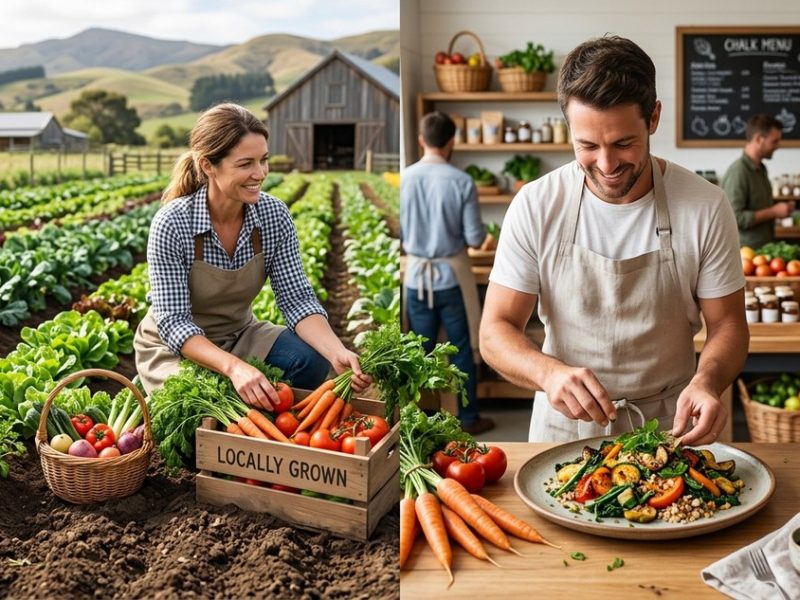

In New Zealand, every bite carries a story of soil, season, and people. From the sunlit paddocks to the friendly chat at a local market, local food systems knit communities together. They are not just about fresh produce on the table; they are about resilience, culture, and a future where farming and eating support one another. This article takes you through the what, why, and how of local food systems in Aotearoa, with ideas you can apply at home, in schools, and within your community. If you are curious about seasonal eating, waste to fertilizer innovations, free range eggs, organic farms, or virtual agri tours, you are in the right place.
What is a local food system and why it matters in NZ
A local food system is a network that connects producers with consumers within a specific region. It includes farmers, processors, distributors, retailers, restaurants, schools, and households. The goal is to keep value and benefits close to home — supporting local economies, reducing food miles, and providing fresh, nutritious options to communities. In New Zealand, local food systems are especially important because:
- They strengthen rural and urban links, creating more diverse regional economies.
- They promote seasonal eating that aligns with our climate and growing zones.
- They build food security by diversifying supply channels beyond the national or international food chain.
- They offer educational value through on-farm experiences, school programs, and community events.
By understanding the components of farm to table, you can see how a plate becomes a narrative of soil health, farming practices, and community choice.
Key components of farm to table
Direct marketing and local markets
Direct marketing allows farmers to sell straight to consumers, bypassing long supply chains. In NZ this often happens through farmers markets, farm gate sales, and online local shopfronts. Benefits include:
- Freshness and seasonal flavor that travel time cannot match
- Transparent pricing and product origin
- A chance to hear farmers’ stories and learn about farming practices
Ways to engage:
– Visit your regional farmers market on a weekend
– Subscribe to a local farm’s CSA or delivery box
– Follow a farm’s online shop for pre-orders of produce, eggs, and dairy
Distribution and aggregation
Not every product travels directly from farm to consumer. Aggregation hubs and co-ops bring small lots of produce together so retailers and restaurants can access a wider range of items locally. Key ideas include:
- Shared cold storage to keep produce fresher longer
- Local distribution networks that reduce transportation emissions
- Transparent traceability from paddock to plate
What this means for you:
– More variety in local shops
– Greater ability to source what is in season
– Support for smallholders who would otherwise struggle with scale
Food safety and quality
Food safety remains a central pillar of any local food system. When communities coordinate well, they can maintain high standards without sacrificing speed or flavor. Practical aspects include:
- Clear labeling of harvest dates and farming practices
- On farm audits and simple QA checks for small producers
- Proper handling, storage, and transport to avoid spoilage
Tips to help quality stay high:
– Buy from reputable local producers with visible practices
– Ask about farming methods, animal welfare, and handling
– Support producers who are transparent about processes
Processing and value addition
Local processing adds value while keeping money within the region. Examples include turning excess fruit into jams, drying herbs, or packaging cheese locally. Value addition supports year-round jobs and reduces waste. Benefits include:
- Extended shelf life of seasonal harvests
- New products that reflect regional flavors
- Opportunities for small businesses to grow with community backing
Local institutions and learning spaces
Schools, hospitals, and councils can anchor local food systems through procurement policies and educational programs. Initiatives to watch include:
- Seasonal menus aligned with local harvests
- Farm to school programs that teach kids where food comes from
- Public-leaning campaigns that celebrate regional producers and seasonal produce
Economic, environmental, and health benefits
Economic benefits
Local food systems keep more money circulating within the community. They create jobs in farming, distribution, processing, and retail. When customers buy locally, producers gain stability, enabling reinvestment in soil health, water quality, and innovation. In turn, communities benefit from a more resilient economy less exposed to global shocks.
Environmental benefits
Shorter supply chains typically mean reduced transport emissions and lower packaging needs. Local systems encourage farming practices that protect soil, water, and biodiversity. They also support regenerative agriculture and waste reduction strategies, which benefits the wider ecosystem.
Health and community benefits
- Access to fresh, nutrient-rich foods that align with seasons
- Opportunities for hands-on education about nutrition and food origins
- Stronger social ties through markets, farm tours, and community events
Seasonal eating and culture in New Zealand
Seasonal eating is at the heart of NZ agriculture. The country’s diverse climates mean a rich calendar of fruits, vegetables, meats, and seafood that peak at different times of the year. Embracing seasonal eating helps reduce waste and supports local growers when crops are most abundant.
Key ideas to celebrate seasonality:
– Build menus around what is at peak harvest in your region
– Plan garden or balcony plots to complement what your farmers are bringing to market
– Attend seasonal events, such as harvest festivals or shearing season gatherings, to learn more about the land and people behind the food
Regional notes:
– In the South Island you may see an early bumper for berries and apples, with hearty greens and root crops offered later in autumn.
– In the North Island warmer regions, citrus fruits, tomatoes, and leafy greens often come on earlier, with a steady supply of fresh seafood year-round.
Seasonal eating is more than a diet; it is a civic choice that supports local producers, reduces waste, and connects people with the land.
Innovations shaping NZ local food systems
Waste to fertilizer and soil health innovations
Waste from the agricultural and food sectors can be transformed into valuable inputs for farming. Innovations include anaerobic digestion, composting, and nutrient recovery that turn waste into fertilizer or energy. Benefits include reduced waste going to landfills, improved soil vitality, and more circular farming systems.
Free range eggs and animal welfare
NZ farmers who prioritize free range systems are often able to tell compelling stories about pasture access, animal welfare, and the quality of eggs. Consumers increasingly seek transparency about how animals are housed, fed, and cared for, encouraging higher welfare practices and more humane farming.
Organic farming and regenerative practices
Organic and regenerative farming practices focus on soil health, biodiversity, and long term resilience. Consumers are drawn to products that align with these values, and producers gain by building soil organic matter, improving water retention, and diversifying ecosystems.
Virtual agri tours and education
Technology enables virtual farm tours, online workshops, and interactive experiences that connect urban dwellers with rural producers. These experiences broaden understanding of farming realities, seasonal rhythms, and the realities of weather, pests, and market demands.
Case study ideas from NZ communities
- A coastal town hosting a weekly seafood market where fishers share stories and sustainable catches
- An inland farm that uses a small on-farm processing room to produce jams, preserves, and cheese
- A school district implementing a farm to school program with on-site gardens and local farm visits
- A regenerative dairy cooperative that showcases pasture management, soil health, and milk quality
These stories show the power of local food systems to weave economic, environmental, and social benefits into everyday life.
How to get involved in your local food system
Participating in a local food system can be as simple as adjusting where you shop and how you eat. Here are practical steps:
- Shop at local markets and farm gates
- Subscribe to a local CSA or produce box
- Try a farmers market adventure with friends or family to learn about seasonal offerings
- Visit a local farm on a virtual or in person agri tour
- Cook with seasonal produce and share recipes with neighbors
- Support local processors who add value to harvests such as jams, cheeses, and preserved foods
- Start a small compost or worm farm to close the nutrient loop at home
- Advocate for school or community procurement policies that prioritize local products
Bullet ideas for households:
– Plan meals around what is freshest locally each week
– Save vegetable scraps for a home compost bin or worm farm
– Take a simple tour of a nearby farm even if just online
Building a resilient local food system in your community
A resilient local food system is adaptable and community driven. To contribute to resilience:
- Encourage diverse farming practices that protect pollinators, soil, and water
- Support producers who diversify crops to reduce risk from weather or pests
- Promote local distribution networks that shorten the path from paddock to plate
- Foster collaborations between farmers, schools, restaurants, and retailers
- Invest in education about seasonal eating and local food literacy
These efforts create a feedback loop: healthier soil leads to better produce, which supports farmers, which in turn sustains community health and economic vitality.
Challenges and how to overcome them
Like any system, local food networks face hurdles. Here are common challenges and practical solutions:
- Challenge: Seasonal gaps and inconsistent supply
- Solution: Build partnerships with multiple producers across the region; stock up on preserved products from peak seasons.
- Challenge: Limited access in urban areas
- Solution: Support or develop urban farming initiatives, farmers markets in neighborhoods, and delivery services from local producers.
- Challenge: Cost and affordability
- Solution: Use community supported agriculture models, subsidized produce programs in schools, and cooperative purchasing to lower costs.
- Challenge: Knowledge gaps about seasonality and sourcing
- Solution: Host community events, farm tours, and cooking classes that teach how to use seasonal ingredients effectively.
Policy, procurement, and community partnerships
Policy choices help determine how vibrant local food systems can be. Public procurement in schools and hospitals plays a significant role. By prioritizing locally produced foods in meal programs, governments and institutions can:
- Create reliable demand for local producers
- Encourage schools to run garden-based education programs
- Support infrastructure for local processing and distribution
Partnerships among farmers, regional councils, universities, and non-profits help spread innovation and share knowledge. Community groups can coordinate seasonal harvest festivals, stock shows, and farm to table dinners that celebrate regional producers and educate consumers.
A look ahead: the future of local food systems in NZ
The future is about more than just fresh produce. It is about building systems that are more transparent, equitable, and environmentally sound. With advances in digital tools, communities can track harvests, share best practices, and connect directly with consumers who value ethical farming, regenerative practices, and seasonal flavors. Local food systems may include more cooperative models, open farm days, and virtual tours that bring the paddock to the kitchen in engaging ways.
Specifically in NZ, expect to see:
– Expanded waste-to-fertilizer programs that close nutrient loops on farms
– Growth in organic and regenerative farming demonstration projects
– Increased visibility of regional food stories that highlight unique NZ landscapes and produce
– Stronger school and community partnerships around seasonal menus and farm visits
– More direct marketing channels that support small producers while offering consumers transparency
These trends align with the NZAgriFoodWeek ethos of connecting people through stories about New Zealand’s food and farming future. They emphasize not only what we eat but also how we choose to grow, process, and share it.
Practical takeaways for readers
- Explore your local supply chain. Visit a farmers market, join a CSA, or look for online listings of local producers.
- Embrace seasonal recipes. Plan meals around what’s fresh in your region to maximize flavor and support local farms.
- Try a farm to school or community nutrition program. These create lifelong connections between kids and food.
- Support innovations that reduce waste. Choose products made from upcycled or repurposed ingredients and support composting efforts at home or in your community.
- Engage with local stories. Read and share regional food stories to celebrate regional flavor and sustainable farming practices.
Conclusion
From paddock to plate, local food systems in New Zealand are about more than great taste. They are about community resilience, environmental stewardship, and economic vitality. By understanding the building blocks of farm to table — direct marketing, distribution, processing, food safety, and education — you can participate more fully in the food system that shapes our health, our communities, and our future. Whether you are a hunter for seasonal produce, a student curious about agri-tourism, or a family planning dinners, there is a place for you in New Zealand’s vibrant local food story.
As you journey through NZAgriFoodWeek.co.nz and similar platforms, you will discover people, farms, and stories that illuminate how we can eat better while growing a more robust, sustainable food system. The next time you plan a meal, consider the journey behind the food and the communities that made it possible. When we all play a part, we help ensure that local food systems remain strong, equitable, and delicious for generations to come.

No Comment