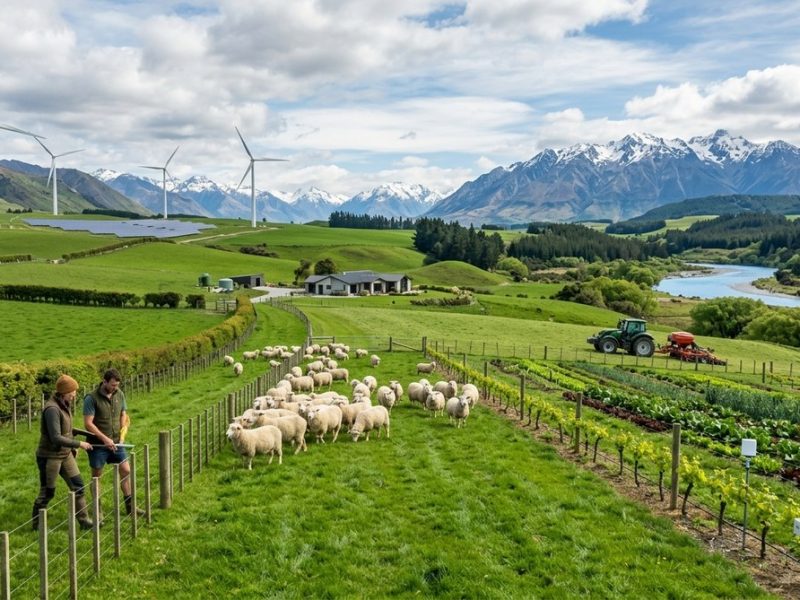

New Zealand sits at the crossroads of lush landscapes, cutting edge farming practices, and a strong sense of community around food and land. As farmers, scientists, and everyday eaters collaborate to secure healthy soil and healthy ecosystems, sustainable farming trends are not just ideas on a page they are everyday actions on paddocks, in barns, and through digital platforms that bring stories from farm to table. NZ AgriFood Week is here to spotlight these trends and translate them into practical, hopeful insights for readers across the Healthy Land, Healthy Future category. Whether you are a producer seeking smarter ways to run a farm or a consumer curious about where your eggs come from, this article maps the terrain of sustainable farming in Aotearoa New Zealand and points to the stories worth following.
Regenerative farming in New Zealand
What regenerative farming means in Aotearoa
Regenerative farming is about rebuilding soil health, boosting biodiversity, and creating systems that keep carbon in the soil while reducing the need for inputs. In New Zealand, regenerative approaches are being embraced across diverse climates and farming types from sheep and beef operations to dairy, orchards, and organic enterprises. It is not a single technique but a holistic mindset that aligns with the country’s strong track record of practical innovation and respect for the land.
- Improving soil structure with diverse cover crops and reduced tillage
- Implementing agroforestry to stabilize slopes, sequester carbon, and diversify farm ecosystems
- Rotational grazing and planned rest periods for pastures to restore productivity
Practices in focus
Across regions, several regenerative practices have moved from pilot projects to mainstream adoption. Here are a few that farmers are talking about at farm gates and in grower meetings:
- Cover cropping and green manures to feed soil biology
- Reduced tillage and direct drilling to minimize soil disturbance
- On-farm tree plantings and shelter belts that support biodiversity and microclimate
- Integrated pest management that emphasizes natural controls and observed thresholds
- Soil testing paired with nutrient budgeting to reduce waste and environmental footprint
From Northland to Southland, these practices are reshaping the way land is treated year after year. The aim is not only to protect soil but to improve resilience against drought, heavy rainfall, and other climate variability.
Government support and policy shaping sustainable farming
Policy pathways that help farmers innovate
New Zealand has a long-standing commitment to supporting sustainable farming through policy, research funding, and extension services. While policy landscapes evolve, core pillars remain consistent: investment in scientific research, accessible advisory services, and mechanisms to incentivize climate friendly farming.
- Grants and funding programs that support on-farm research, demonstration projects, and adoption of new practices
- Emissions related policy structures that encourage farms to reduce footprint while maintaining productivity
- National standards and assurance programs that guide welfare, traceability, and environmental stewardship
How policy intersects with practice
Policy is most effective when it translates into practical tools for farmers. Examples include:
- Clear guidance on nutrient management and water use to protect waterways
- Support for soil health initiatives that improve carbon sequestration and fertility
- Investment in digital tools that help farmers monitor soil moisture, rainfall, and pasture growth
Policy is not one size fits all, but in New Zealand it often translates into regional programs that reflect local climates, soils, and farming systems. The result is a mosaic of approaches that together push the sector toward more resilient, climate-smart farming.
Water stewardship and biodiversity on farms
Why water management matters on New Zealand farms
Water is a precious resource and a critical part of farm systems. In many regions, efficient irrigation, soil moisture monitoring, and buffer zones along waterways help protect rivers, lakes, and estuaries while supporting productive farming. Water stewardship also means fencing off streams to prevent stock access, restoring stream margins, and planting native biodiversity corridors.
Key strategies in water stewardship
- Efficient irrigation scheduling using weather data and soil moisture sensors
- Drainage management that reduces nutrient loss and soil erosion
- Riparian restoration projects that support frogs, birds, and pollinators
- Nutrient budgeting and targeted application to minimize leaching
- Community-led watershed initiatives that align farm and local interests
A healthy water system benefits crops, livestock, and people. It reduces risk while helping farms become even more productive in the long term.
Waste to fertilizer innovations
Turning waste into value on the farm
Waste streams from farms and processing facilities are increasingly seen as resources. Digesters, composting programs, and precision nutrient management turn what used to be waste into valuable inputs for soils and crops. Waste-to-fertilizer innovations contribute to circular farming models that reduce waste piles and emissions while boosting soil health.
How on-farm digestion and nutrient recovery work
- Anaerobic digestion converts organic waste into biogas and digestate
- Digestate is processed into nutrient-rich amendments that feed soils and crops
- Composting of manure, crop residues, and green waste builds stable, mature soil amendments
- Nutrient recovery technologies help capture phosphorus and other essential elements for reuse
These systems help farms close loops, lower external inputs, and create new revenue pathways. They also reduce fertilizer runoff and specifically target the needs of soil biology, creating healthier, more productive fields over time.
Organic farming and soil health
The growth of organic farming in New Zealand
Organic farming in Aotearoa is more than a label; it signals a commitment to soil health, biodiversity, and transparent farming practices. Organic farms are often leaders in soil-building practices, ecological pest management, and seasonal, soil-first approaches to production. They provide important case studies for other farmers about how to work with natural cycles and soil ecosystems.
Soil health as a core value
Healthy soil is the foundation of sustainable farming. It supports nutrient cycling, water retention, and resilience against climate shocks. Practices that support soil health include:
- Compaction reduction and careful grazing management to protect soil structure
- Regular soil testing to tailor organic soil amendments
- Use of compost, compost tea, and biofertilizers to boost microbial life
- Diversified crop rotations and intercropping in appropriate farming systems
Organic farming and soil health work together to create a living, breathing farm system that yields nutritious foods while preserving ecological integrity.
Connecting consumers to farms: seasonal eating and free-range eggs
How consumer demand shapes farming practices
Seasonal eating and transparent farming narratives are powering shifts in production choices. Consumers increasingly want to know where their food comes from, how it is produced, and whether it aligns with values around animal welfare and environmental stewardship. This demand fosters greater collaboration between farmers, processors, and retailers, and it encourages practices that protect animal welfare and soil health.
Free-range eggs and poultry welfare
Free-range egg systems have become a focal point for animal welfare with a focus on outdoor access, enrichment, and humane handling. While there is no one-size-fits-all approach across New Zealand farms, the overarching goal is to provide birds with safe, shaded, and stimulating environments that support natural behaviors while maintaining strong biosecurity and nutrition standards.
Seasonal eating in practice
- Fresh, regionally grown fruit and vegetables that reflect the harvest calendar
- Farm-to-table events and seasonal menus that showcase local producers
- Direct-to-consumer sales channels such as farmers markets, subscription boxes, and farm shops
- Education programs that help families select seasonally appropriate foods and reduce food waste
Seasonal eating connects people to the land and supports farm profitability by aligning production with consumer demand and ecological cycles.
Virtual agri tours and tech enabled storytelling
The rise of virtual farm experiences
Technology is opening doors to knowledge that used to be limited to farm visits. Virtual agri-tours let people explore paddocks, processing facilities, and innovation hubs from anywhere. They are powerful tools for education, outreach, and building trust in how food is produced.
What these experiences offer
- Virtual farm walks that highlight regenerative practices, biodiversity, and water stewardship
- Interactive tours of processing facilities and on-farm innovation
- Access to expert Q and A sessions and live demonstrations
- A platform for regional stories to reach national and international audiences
By making farming more transparent, virtual tours help consumers understand the complexities and care that go into sustainable food production. They also create opportunities for regional farmers to share best practices and collaborate.
Shearing season and regional food narratives
A slice of farming culture
Shearing season is a cornerstone of New Zealand farming life. It marks not only a seasonal workflow but a tradition of skill, teamwork, and livestock management that spans generations. Each region has its own rhythms and stories from the wool shed to the wool scouring and shipping pipelines.
What shearing teaches us about sustainability
- Timing and precision in animal care to minimize stress and maximize welfare
- Efficient handling and transport to reduce emissions
- Community and family involvement that strengthens rural ecosystems and economies
In addition to the shearing season, regional food narratives show the connection from pasture to plate. Local producers, processors, and markets tell stories of seasonal specialties, regional varieties, and the people who grow and transform food.
Regional spotlight: Canterbury, Waikato, Taranaki and beyond
Why regional diversity matters
New Zealand’s farming mosaic includes temperate pastures, hill country landscapes, coastal farms, and orchard belts. Each region brings distinctive practices shaped by climate, soil, and tradition. Regional stories help readers understand what sustainable farming looks like in different environments and how local knowledge informs broader trends.
Examples of regional initiatives
- Canterbury farms adopting precision irrigation and soil health monitoring
- Waikato dairy and beef operations integrating regenerative grazing and methane reduction strategies
- Taranaki organic farms with composting programs and soil biology research
- South Island farms piloting agroforestry and biodiversity corridors
Regional case studies demonstrate how shared goals of soil health, water stewardship, and humane animal care can be realized in diverse settings. They also highlight the social and economic benefits of sustainable farming for local communities.
Why this matters for New Zealand farming and the planet
The bigger picture
Sustainable farming in New Zealand is not a niche undertaking it is a national imperative that touches climate resilience, food security, rural livelihoods, and cultural identity. By combining regenerative practices, robust policy support, water stewardship, waste to fertilizer innovations, and consumer engagement, the sector is building a future where land, animals, and people thrive.
The role of farmers, researchers, and communities
- Farmers implement on the ground innovations that improve soil health and ecosystem function
- Researchers from AgResearch and universities investigate practical, scalable solutions
- Communities embrace transparent storytelling that connects consumer choices to farm practices
Together these actors create a living system that can adapt to changing weather, market demands, and biodiversity needs.
How NZAgriFoodWeek connects you to sustainable farming
What stories you will find on NZAgriFoodWeek
- Seasonal eating guides that highlight what is fresh and local each month
- Profiles of free-range operations and insights into welfare standards
- Virtual agri-tours that bring farm life into digital spaces
- Highlights of waste-to-fertilizer innovations and soil health breakthroughs
- Features on organic farming, soil microbiomes, and regenerative soil practices
- Celebrations of shearing season and regional food stories
- Regional narratives from Canterbury to Otago that show how different landscapes shape farming
How to engage
- Follow our weekly features on Healthy Land, Healthy Future
- Subscribe to newsletters for seasonal farming insights and farm stories
- Join virtual tours and live Q and A sessions with farmers and researchers
- Share your own experiences with sustainable farming and seasonal eating
NZAgriFoodWeek is about more than information it is about connection. By weaving together science, practice, culture, and consumer life, we help readers understand how sustainable farming works in real life and why it matters for future generations.
Practical takeaways you can apply
- If you manage a farm: explore regenerative practices that fit your climate and soil type, start with soil health assessments, and pilot one or two cover crops this season.
- If you are a consumer: lean toward seasonal, locally produced foods and seek transparency about animal welfare standards and farm practices.
- If you are a student or researcher: engage with extension services and funding programs that support on-farm trials and knowledge transfer.
- If you are a policymaker or advocate: consider how policy can incentivize practical, scalable sustainability across diverse farming systems.
Closing thoughts
Sustainable farming in New Zealand is a narrative of progress grounded in land stewardship. It blends time-honored practices with modern science and digital storytelling to create farms that are productive, resilient, and aligned with ecological realities. From regenerative farming and agroforestry to waste to fertilizer innovations and dynamic consumer connections, the trends shaping Aotearoa’s farming future are rich, varied, and collaborative. NZAgriFoodWeek is excited to continue sharing these stories with you, celebrating the people who grow our food, and inviting more farmers, researchers, and readers into the conversation about a sustainable, prosperous, and hopeful farming future for New Zealand.
If you enjoyed this look at sustainable farming trends, stay tuned for more regional spotlights, on-farm profiles, and practical guides you can use to support healthy land and a thriving future. After all, what happens on the farm today shapes the meals on our tables tomorrow.
No Comment