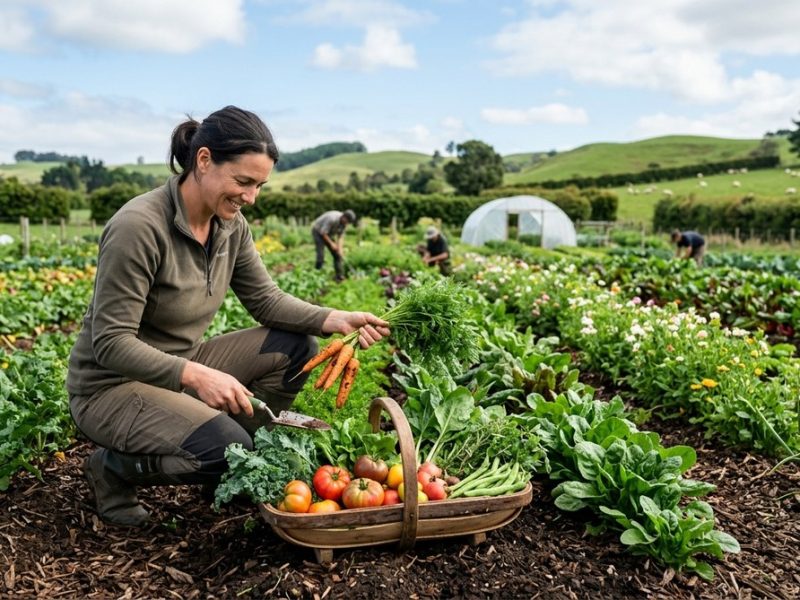

From the moment you bite into an apple picked at peak season or crack open a free range egg from a well cared for organic farm, you can feel the difference in quality. In New Zealand, organic farming is more than a label it is a holistic approach that aligns soil life, plant health and animal welfare with the daily realities of growing and producing food. When farms invest in soil stewardship, biodiversity and natural ecological cycles, the end result tends to be fresher flavors, richer textures and foods that carry a higher degree of nutritional integrity. This article explores how organic farms improve food quality, what that means for consumers and farmers, and how you can spot the signs of true organic quality on your plate.
What makes organic farming a quality focused approach
Organic farming is built on the belief that healthy soil is the backbone of healthy food. When farmers minimize synthetic inputs and instead work with natural processes, a chain of benefits unfolds from the soil up to your dining table. Here are the core elements that drive quality in organic farms.
- Soil health as the foundation
- Biodiversity and pest resilience
- Nutrient cycling and reduced residue
- Freshness through shorter supply chains
Soil health as the true foundation of quality
Soil is more than dirt it is a living system. In organic farming, soil health is cultivated through:
- Adding organic matter such as compost and well rotted manure to feed soil biology.
- Growing cover crops to protect soil during off seasons and to improve structure.
- Practicing reduced tillage to preserve microbial networks and soil aggregates.
- Encouraging a diverse soil food web including bacteria, fungi, and beneficial insects.
When soil health improves, plants take up nutrients more efficiently, water holding capacity increases, and plants become more resilient to stress. The result is crops with better flavor, more consistent texture, and a stronger natural defense against pests and disease.
Biodiversity and natural pest management
A garden or farm that supports a range of species tends to experience fewer outbreaks and more balanced ecosystems. Organic farms emphasize:
- Crop diversity within a field to interrupt pest life cycles
- Beneficial insects and wildlife habitat that help suppress pests
- Planting trap crops and using natural predation rather than synthetic pesticides
This approach reduces chemical exposure for farm workers and consumers while maintaining plant health. The outcome often includes more vibrant produce with a broader array of aromas and flavors that tell the story of a healthy ecosystem.
Nutrient cycling and low residue
In organic systems, nutrients are cycled through natural processes rather than added as synthetic fertilizer. Key practices include:
- Composting food scraps and manure to return essential minerals to the soil
- Legume cover crops that fix atmospheric nitrogen for subsequent crops
- Manure management that emphasizes maturity and stabilization before use
Quality foods emerge when crops can access balanced nutrition from the soil without relying on synthetic boost. Consumers benefit through lower synthetic residue in edible parts and a sense of connection to a farming system that respects natural cycles.
Freshness and shorter supply chains
Organic farms often emphasize local markets, direct selling, and shorter supply chains. The advantages include:
- Fresher produce and eggs that reach shelves or markets quickly
- Better post harvest handling practices to preserve taste and texture
- More transparent storytelling about seasonality and farming methods
For a consumer who loves seasonal eating, organic farming aligns with buying foods at their natural peak and cooking them when they taste best.
Nutritional quality and flavor on organic farms
One of the most compelling arguments for organic farming is the potential for enhanced nutritional quality and richer flavor profiles. While the science is nuanced and context dependent, several consistent themes emerge.
Nutrient density and bioactive compounds
- Some crops on organic systems show higher levels of certain micronutrients such as minerals and vitamins, driven by plant responses to stress and diverse soil biology.
- Antioxidant compounds often increase when plants face natural defenses against pests, contributing to potential health benefits.
While not every crop will show dramatic gains every year, the overall pattern suggests organic management can support robust nutrient profiles in many widely consumed foods.
Flavor and aroma as indicators of quality
- Taste and aroma are influenced by plant genetics, soil minerals, and how quickly a harvest is brought to market.
- Organic farming often emphasizes harvest at peak maturity, minimal processing, and careful handling all of which preserve complex flavor compounds.
Seasonal, in-season eating amplifies these qualities, because foods are harvested when truly ripe and transported to markets promptly. The result is a more expressive eating experience with noticeable differences compared to conventionally produced staples.
Texture and mouthfeel
- Proper soil structure and moisture balance can improve cell integrity in fruits and vegetables, contributing to crisper textures and juiciness.
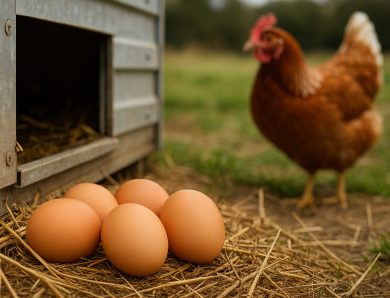
- Free range eggs from well managed organic operations tend to have richer yolks and better shell integrity due to stress free hens and quality feed.
Texture matters not just for enjoyment but for nutrient retention and satiety. Organic farms often achieve texture advantages by focusing on soil and animal welfare as part of the quality equation.
From soil to plate: the farming practices that protect or enhance quality
Understanding the day to day practices on organic farms helps explain why food quality can be higher. Here are some of the most impactful methods used in organic systems.
Regenerative soil management
- Build soil organic matter with composts, mulches and green manures
- Rotate crops to reduce disease pressure and improve nutrient availability
- Use cover crops to prevent erosion and support beneficial microbes
Biological pest and disease control
- Encourage a diversity of crops and habitats to sustain beneficial insects
- Employ pheromone traps and physical barriers to prevent pest damage
- Release natural enemies where appropriate, reducing reliance on sprays
Thoughtful fertilization and nutrient management
- rely on compost, well rotted manure and plant residues rather than synthetic nitrogen
- Monitor soil health indicators to adjust nutrient supply
- Apply fertilizers in precise timing to match crop demand
Post harvest handling and storage
- Gentle harvest methods to preserve cell integrity and flavor
- Rapid cooling and proper storage conditions to maintain freshness
- Minimal processing to retain natural nutrients and textures
Waste to fertilizer and the circular approach
- Recycling organic waste on farm to create compost that nourishes soil
- On farm anaerobic digestion or composting programs that convert waste into useful inputs
- Engaging in nutrient cycling that keeps farm inputs local and reduces external dependency
Certification, standards and consumer trust in NZ
In New Zealand, organic claims typically rely on certification to verify practices. Recognized bodies set standards that cover what can be grown, how animals are raised, and what inputs are allowed. Some common threads across certificates include:
- Prohibition of most synthetic pesticides and GMOs
- Emphasis on soil building and biodiversity
- Controlled processing and packaging practices
- Regular audits and traceability from farm to fork
For shoppers, looking for a recognized organic logo provides reassurance that a product has met the required standards. In NZ, well known certifiers include BioGro NZ and other accredited bodies. These certifications help consumers identify products that align with the principles of soil health, animal welfare and reduced chemical reliance.
How organic farming influences food safety and consumer health
Lower exposure to synthetic pesticides is one of the often cited advantages of organic farming. People with sensitivities or concerns about chemical residues appreciate this aspect. Additionally, the emphasis on soil health and plant vigor can contribute to:
- Robust plant defense against pests and diseases, reducing the need for intervention
- More stable nutrient delivery in edible tissues
- A general preference for foods with fewer synthetic inputs in production cycles
It is important to note that organic does not equal perfection, and quality still depends on a range of factors including climate, soil type, crop variety and harvest timing. However, many consumers report higher satisfaction with the taste and texture of organic produce, which sometimes correlates with perceived or measured quality attributes.
Real world signals of organic food quality for consumers
If you are shopping for quality organic products, consider these practical indicators:
- Certification logos from recognized bodies such as BioGro NZ
- Clear farm origin information and seasonal timing on packaging
- Freshness cues such as firmness, aroma, and vibrant color
- Packaging that minimizes processing to preserve nutrients
- A transparent farm story that explains soil health, husbandry and post harvest handling
Buying locally at farmers markets or direct from organic farms in your region often provides the best opportunity to assess these signals and speak with growers about their practices.
For farmers and producers: practical steps to elevate organic food quality
If you operate an organic farm or want to transition, here are action items that typically yield quality improvements over time.
- Start with soil health
- Build soil organic matter through compost and green manures
- Use crop rotations to break pest cycles and improve nutrient availability
-
Minimize soil compaction to support root growth
-
Diversify your crop mix
- Plant a rotation that includes legumes, cover crops and cash crops
- Integrate perennials or agroforestry elements where feasible
-
Encourage habitat features to support beneficial species
-
Strengthen biological defenses
- Monitor pest pressure and use time targeted interventions
- Employ cultural controls such as trap crops and sanitation
-
Keep records of pest dynamics to improve future decisions
-
Invest in post harvest quality
- Train staff on gentle handling and harvest timing
- Implement rapid cooling and careful packaging
-
Maintain clean cold chains to minimize quality loss
-
Focus on animal welfare for quality gains
- Provide outdoor access and natural light
- Offer a nutritious, varied diet to support egg quality and meat flavor
-
Reduce stress during handling and transport
-
Embrace waste to fertilizer innovations
- Establish on farm composting or anaerobic digestion
- Recycle plant residues into nutrient sources for next crops
- Use bio-based inputs where appropriate to close the nutrient loop
The human side of organic quality: storytelling and consumer connection
Quality is not just a laboratory measure or a tasting note; it is also a story about how food is grown and who grows it. NZAgriFoodWeek.co.nz celebrates the people behind the plate and the seasonal rhythms that shape our diets. By sharing farm tours, seasonal eating guides and regional food stories, the site helps consumers connect with the origins of organic foods. When you know the farmer who tends the soil and cares for the animals, your appreciation for quality deepens.
- Seasonal eating as a quality discipline
- Eating foods at their peak naturally enhances flavor and nutrient density
- Supports local biodiversity and reduces food miles
- Free range eggs as a marker of welfare and flavor
- Pasture access and varied diets often produce richer yolks and better texture
- Handling practices influence shell integrity and freshness
The future of organic food quality in NZ
The quality conversation in organic farming is evolving. New tools and practices are helping farmers protect soil health, measure nutrient dynamics and optimize harvest timing. Some notable trends include:
- Precision soil health monitoring using sensors and data analytics
- Integrated waste management strategies that convert farm waste into valuable inputs
- Breeding for varieties that perform well in organic systems and express superior flavor
- Transparent supply chains that share farm data with consumers
- Collaboration across regional networks to share best practices and market insights
These innovations support higher quality food while maintaining the ethical and environmental standards that define organic farming.
How to make the most of organic foods in your kitchen
If your goal is to maximize quality through cooking and meal planning, try these practical tips:
- Shop seasonal and local: choose items grown in your region to maximize freshness and flavor
- Inspect color, aroma and texture: look for vibrant produce and clean, crisp shells
- Use quick cooking methods: steaming, sautéing, and minimal heat preserve nutrients
- Store properly: keep produce cool but not chilled to the point of damage; use eggs and dairy with proper refrigeration
- Respect the crop: let herbs and greens shine by minimal processing to retain natural oils and flavors
A call to action for readers
If you are curious about the quality of organic foods and the story behind them, consider the following steps:
- Seek out local organic farms and ask about soil health, rotations and post harvest handling
- Attend virtual agri tours or in person farm visits to learn how farmers nurture quality
- Support waste-to-fertilizer innovations by choosing products from systems that recycle nutrients on farm
- Explore seasonal recipes and regional food stories to honor the land that grows your food
Summary: why organic farms improve food quality
Organic farming is a holistic approach that connects soil life, plant health and animal welfare to the quality of the foods we eat. By prioritizing soil health, fostering biodiversity, cycling nutrients, and refining post harvest handling, organic farms tend to deliver produce and animal products that carry richer flavors, better textures and strong nutritional profiles. While science continues to explore the nuances and context dependent outcomes, the practical, day to day rewards of organic farming are clear to farmers and eaters alike.
Whether you are a farmer planning a transition, a shopper seeking the best tasting seasonal produce, or a reader curious about the future of NZ agriculture, the core message remains the same: nurture the soil, protect biodiversity, and let natural processes guide the journey from farm to plate. This is how organic farms improve food quality and help us reimagine what healthy, delicious and sustainable food looks like in Aotearoa.


No Comment